Cart
Your shopping cart is empty!
It's never too late to make things right :)



Contents:
In the world of industrial automation, a clear divide long prevailed: large modular systems for complex tasks and simple relays for basic operations. However, the rapid development of Industry 4.0 has created demand for devices in the «middle» tier — compact, affordable, yet with the power of a full-fledged industrial computer.
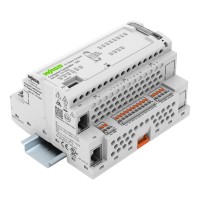
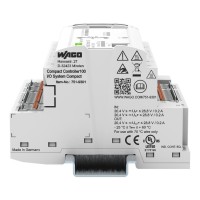
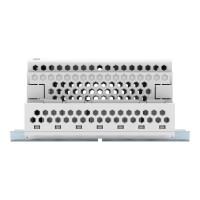
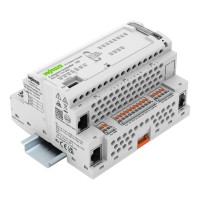
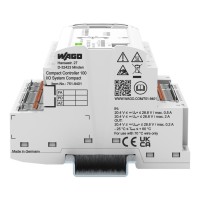
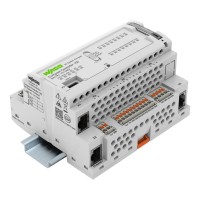
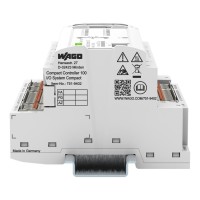
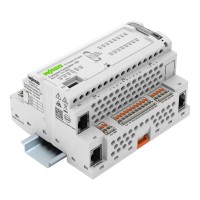
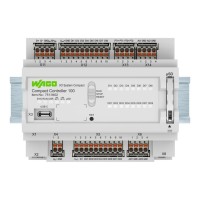
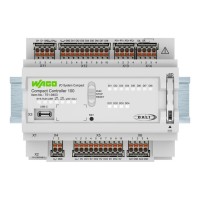
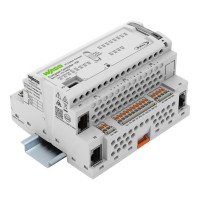
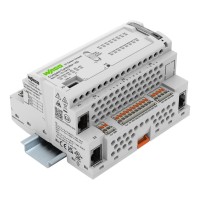
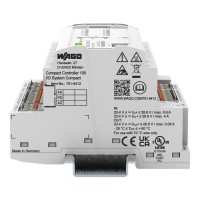
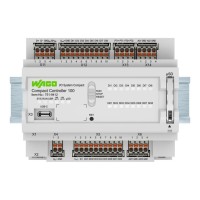
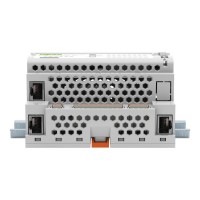
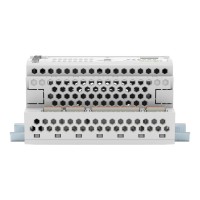
WAGO Compact Controller 100 (Series 751-9301) is the German engineering response to this demand. It is a full-featured controller with a real-time Linux® operating system that, despite its small size (circuit-breaker form factor for DIN-rail mounting), offers capabilities previously available only in flagship PFC200/300 series models.
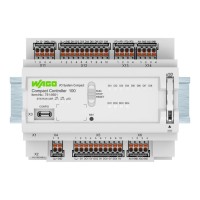
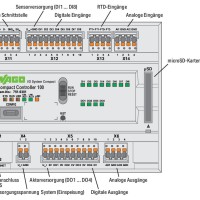
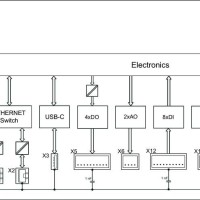
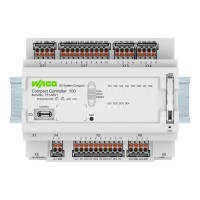
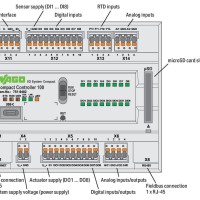
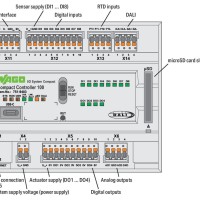
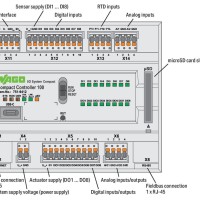
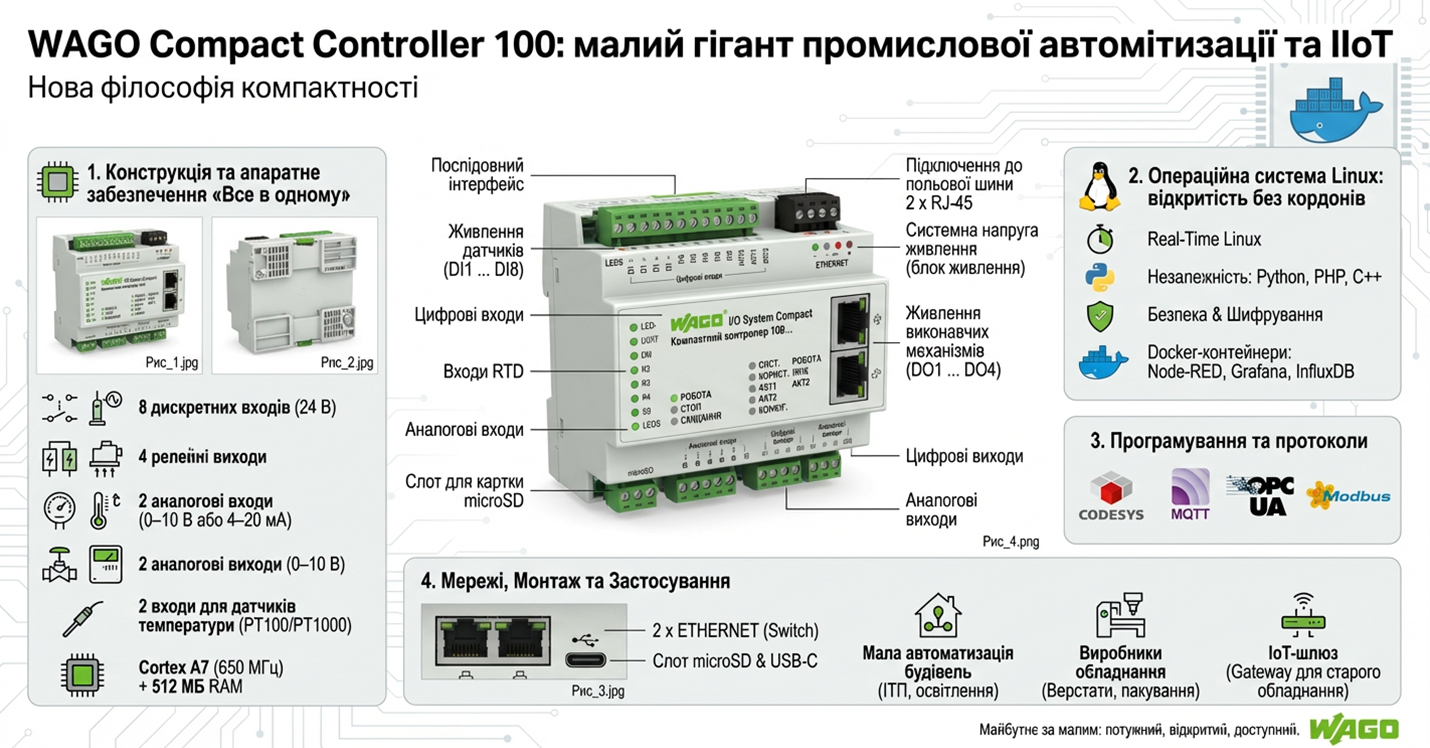
The main feature of the CC100 is its monoblock design. Unlike the classic modular WAGO-I/O-SYSTEM 750, where each type of input/output is purchased separately, the CC100 already has an optimal set of channels on board for most small-scale applications.
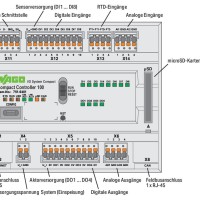
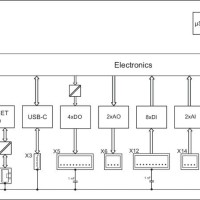
The configuration is designed to cover the needs of a small pumping station, ventilation unit, or lighting control system:
Inside runs a modern dual-core Cortex A7 (650 MHz) processor. Together with 512 MB of RAM, this makes the CC100 a powerful computing node capable not only of executing PLC logic but also of running a web server and complex communication protocols simultaneously.

The WAGO CC100 runs on Real-Time Linux. This is a strategic choice that takes the controller beyond a conventional «automation box».
Benefits of an open OS:
The main development environment remains WAGO e!COCKPIT or standard CODESYS V3.5. This means engineers do not need to learn a new language — all skills from working with the PFC200 are fully applicable to the CC100.
The CC100 supports almost all modern IT and industrial protocols:

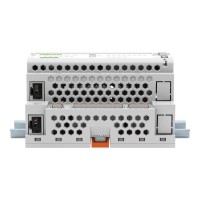
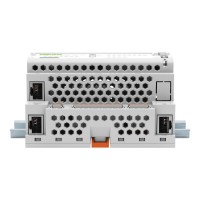
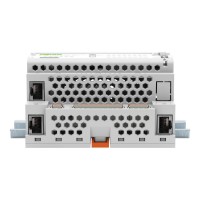
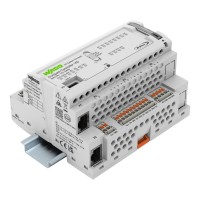
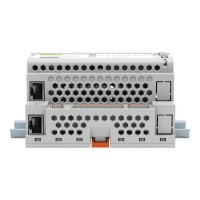
The controller is equipped with two Ethernet ports that act as a switch. This allows building «daisy-chain» networks without additional switches in the control cabinet.
The controller has a microSD slot for expanding storage for data logging or large web projects. Configuration can also be done via a convenient USB-C port, which is the modern standard for mobile devices and laptops.
Thanks to built-in PT100 inputs, the CC100 is ideal for controlling individual heat substations (IHS). It collects data from temperature sensors, controls pumps via relays, and sends energy consumption data to the cloud via MQTT.
For manufacturers of small machines (e.g. packaging machines), the CC100 is a cost-effective solution. It takes minimal space while providing full control and remote diagnostics via VPN.
If the site already has legacy equipment with Modbus RTU, the CC100 can act as an intelligent gateway. It reads data from old meters, processes it with Python scripts, and sends it in a convenient JSON format to the analytics system.

| Parameter | Compact Controller 100 | PFC200 (750-8212) |
|---|---|---|
| Form factor | Monoblock (108 mm) | Modular (depends on bus) |
| Built-in I/O | 18 channels (AI/AO/DI/DO) | None (optional) |
| Processor | 650 MHz (Dual Core) | 600–1000 MHz (Single/Dual) |
| Price | Significantly lower per kit | Higher due to flexibility |
| Target use | Local small-scale tasks, IIoT | Large, distributed systems |
The WAGO Compact Controller 100 is a device that breaks stereotypes. It proves that a professional industrial controller can be affordable, easy to configure, and open to modern IT technologies. It is an ideal choice for projects where the budget is limited but requirements for functionality and cybersecurity remain high.
Thanks to Docker support and a wide set of built-in ports, the CC100 becomes the foundation for building flexible, scalable automation systems that are ready for the challenges of the future.